
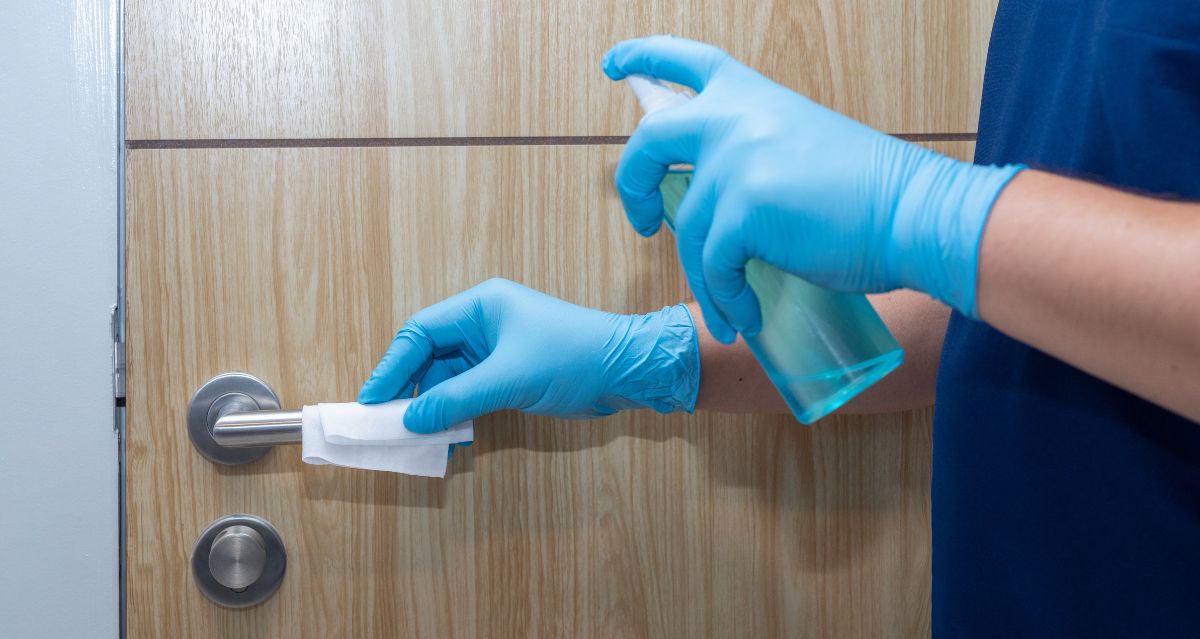
Cleanliness has always been important for businesses, but it took on a whole new meaning after the COVID-19 pandemic. Ensuring thorough hygiene and sanitation is now critical for the health of employees and customers, gaining trust, and maintaining business operations. In Australia alone, the commercial cleaning sector is anticipated to expand in the next five years, showing an annual growth rate of 2.3%.
Gone are the days when a swipe of the mop and a quick vacuum sufficed. Today’s office demands a holistic, deep clean.
What Is Deep Cleaning, Exactly?
Deep cleaning is a thorough cleaning service that goes beyond standard or routine cleaning. A typical commercial cleaning checklist focuses on areas and items typically missed during regular cleaning. This includes cleaning window sills, wall corners, ceiling fans, vents, carpets, upholstery, and appliances with precision.
Deep Cleaning vs. Regular Office Cleaning: A Comparison
| Deep Cleaning | Regular Office Cleaning | |
| Frequency | Quarterly, bi-annually, or as needed | Daily, weekly, or bi-weekly |
| Focus | Thoroughly cleaning all surfaces and areas, tackling grime and hidden dirt | Maintaining cleanliness and hygiene in frequently used areas |
| Depth | Moves furniture, cleans behind and inside cabinets, windows, blinds, and carpets | Wipes down commonly touched surfaces, empties trash, tidies desks, vacuums floors |
| Methods | Specialised equipment like steamers, degreasers, and carpet cleaners | Standard cleaning equipment like mops, vacuums, dusters, and disinfectants |
| Duration | Can take several hours or a full day | Typically 30-60 minutes per visit |
| Cost | More expensive due to labour and specialised equipment | Less expensive due to shorter duration and less specialised services |
| Benefits | Eliminates deep-seated dirt and allergens, extends the life of furniture and equipment, improves overall office appearance and air quality | Maintains a pleasant and hygienic work environment, prevents germs and dust buildup, promotes employee well-being |
| Examples | Cleaning inside cabinets, scrubbing window sills, deep carpet cleaning, stripping and waxing floors | Dusting desks and shelves, emptying trash bins, wiping down keyboards and phones, mopping floors |
The Importance of Deep Cleaning

Deep cleaning is essential for maintaining a clean and healthy environment, especially in the aftermath of the COVID-19 pandemic. Some of the benefits of deep cleaning are:
1. Improved Air Quality
The removal of dust and pollutants through deep cleaning contributes to better air quality. This is particularly important in closed spaces where air circulation may be limited.
2. Longevity of Spaces and Items
Regular deep cleaning extends the life of various items and surfaces. Carpets, furniture, and appliances all benefit from the removal of accumulated grime and dust, which can otherwise lead to wear and degradation.
3. Health and Wellbeing
Deep cleaning eliminates dust, allergens, and germs that can accumulate over time, significantly reducing the risk of allergies and illnesses. By thoroughly cleaning carpets, upholstery, and hard-to-reach areas, you ensure a healthier environment for everyone.
4. Aesthetic Appeal
A deep-cleaned space looks visibly cleaner and more inviting. It leaves a positive impression, contributing to a sense of well-being and comfort.
5. Psychological Impact
Clean spaces have been shown to reduce stress and improve mental clarity and focus. The act of deep cleaning itself can also be therapeutic, offering a sense of accomplishment and control.
6. Safety
Deep cleaning often involves decluttering, which reduces the chances of accidents caused by tripping over or knocking into misplaced items.
7. Pest Control
Regular deep cleaning helps in deterring pests like rodents and insects, which are attracted to food remnants and clutter.
How to Prepare the Office for Deep Cleaning
Before the deep cleaning service arrives, prepare your office by doing the following:
- Inform Your Staff. Notify all employees about the deep cleaning schedule in advance. Ask them to secure personal belongings and important documents.
- Clear Desks and Workspaces: Employees should declutter their desks, removing papers, supplies, and personal items to allow for effective cleaning.
- Organise Common Areas: Tidy up spaces like break rooms and lobbies. Adjust furniture and decor for better access to all surfaces.
- Secure Sensitive Information. Remind staff to secure sensitive documents. Lock file cabinets and storage units with confidential material.
- Manage Electronic Equipment: Switch off and unplug electronics. Cover delicate equipment with protective sheets if needed.
- Sort Storage Spaces: Clean and organise storage rooms and cabinets. Discard unneeded items and arrange materials for easy cleaning access.
- Identify Specific Cleaning Areas. Make a list of high-traffic areas, spots with stubborn stains, or any specific areas that need extra attention. Communicate this list to the cleaning team ahead of time.
- Prep Restrooms: Clear restrooms of personal items. Stock up on supplies if not provided by the cleaners.
- Plan for Waste Disposal: Give instructions for waste removal during cleaning. Arrange extra bins or disposal services if required.
- Ensure Office Accessibility: Remove obstacles for cleaning access. Provide keys or access codes for locked areas.
Maintaining Cleanliness Post-Deep Cleaning

Deep cleaning gives us a fresh slate that invigorates our daily work experience. But how do we sustain this freshness and order?
1. Embrace Collective Responsibility. Each employee plays a pivotal role in preserving this new level of cleanliness. Simple habits can make a significant difference — such as tidying your personal workspaces at the end of each day, being mindful of communal areas, and promptly addressing spills or messes.
2. Implement Regular Cleaning Schedules. Whether it’s weekly vacuuming, dusting, or sanitising surfaces, these routine tasks help prevent the accumulation of dust and germs.
3. Organise for Efficiency. Declutter workspaces. Keep documents and supplies well-organised. Clutter not only affects your productivity but also hampers cleaning efforts. Plus, an organised space is easier to clean and maintain.
4. Foster Open Communication. If there are areas that need attention or improvements in your cleaning protocols, discussing these openly can lead to effective solutions and a better work environment for everyone.
How Often to Deep Clean Your Office
Regular office cleaning takes care of the daily dust bunnies, but a deep clean should be scheduled every three to six (3–6) months, depending on the traffic and overall cleanliness of your office. If you have a busy office with lots of food consumption or potential allergens, consider more frequent deep cleans.
Hire a Professional Deep Cleaning Service

Hire a professional deep cleaning service for expertise and efficiency! These services provide a level of detail and thoroughness beyond regular cleaning. Professionals come equipped with the necessary tools and knowledge to clean hard-to-reach areas, remove stubborn stains, and achieve exceptional cleanliness.
For offices, commercial spaces, or large residences, a professional deep clean is an investment in a healthier and more appealing environment. By using specialists, you save time and ensure every corner is impeccably clean and hygienic.
Looking to enhance your space’s cleanliness and charm? Consider CleanCo Commercial Cleaning. Our experienced team is prepared to turn your area into a spotless and inviting space, reflecting your dedication to quality and health. We offer different types of commercial cleaning for every need. Experience the difference a professional deep clean can make – contact CleanCo Commercial Cleaning today!