
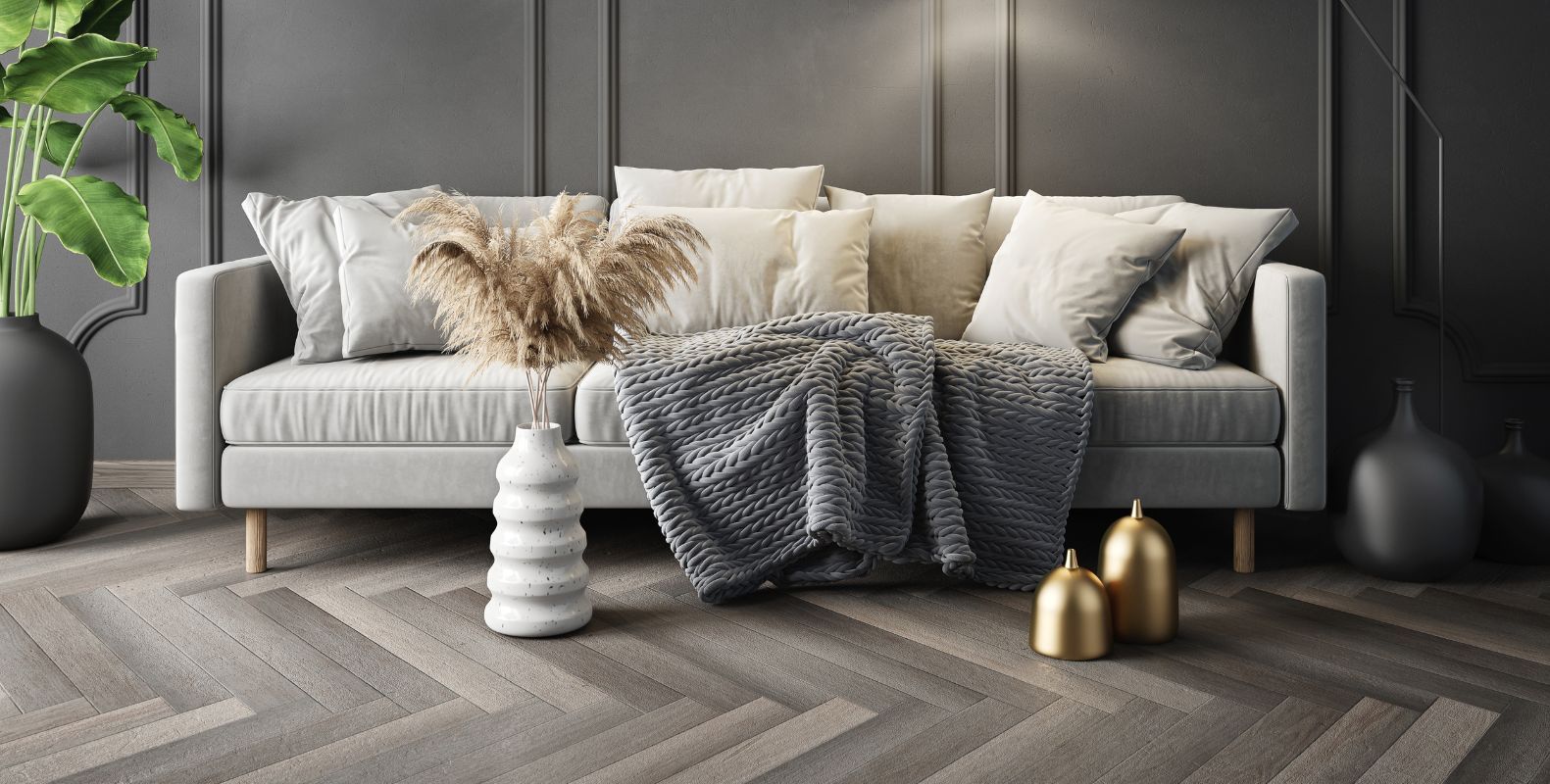
Hardwood floors are widely cherished, but not all are solid wood throughout; many are laminate, offering engineered wood flooring that’s stronger, more versatile, hygienic, and cost-effective compared to solid wood. Laminate floors have gained popularity for their durability and suitability for DIY installation, making them an ideal choice for many settings.
Despite their reputation for toughness and stain resistance, laminate floors still require diligent maintenance to retain their beauty and durability.
We unpack some of our timber laminate flooring tips below.
Table of Contents
What are Laminate Floors?
Laminate flooring, a hybrid floor covering, mimics the installation method of real hardwood with its tongue-and-groove system joining multiple boards. Unlike hardwood, laminate flooring consists of distinct layers: a wear layer of durable plastic for protection, a pattern layer for aesthetic appeal, a core layer (HDF) providing weight and shock absorption, and a balancing layer serving as a moisture barrier and stable foundation. This type of flooring is favoured for its ability to replicate the look of hardwood or stone at a more affordable cost. We often see thse types of flooring options in commercial cleaning or commercial offices in Brisbane where the necessity is not always there for real wood and the added costs compared to laminate varieties.

What Can Damage Laminate Flooring?
While laminate flooring boasts greater durability compared to traditional wood floors, it remains susceptible to damage and staining if not handled carefully. Damage can range from superficial blemishes to deeper penetration across multiple layers, while stains can vary from simple grime to more severe bleaching effects.
Here are several common causes of damage to laminate flooring:
1. Water damage
Water damage poses a significant threat to laminate floors, even during routine cleaning. While properly installed laminate is designed to resist water, excessive moisture can seep through gaps and cause swelling, potentially irreversibly damaging the flooring.
2. Using incorrect cleaning products
Incorrect cleaning products is another common culprit for damaging laminate floors. Harsh cleaners can dull the appearance or strip away protective layers, compromising the floor’s durability and aesthetic.
3. Regular sweeping and vacuuming
Regular sweeping and vacuuming are crucial for preventing dirt and debris from scratching or dulling the laminate surface. However, using vacuums with rotating brush rollers or sweeping with abrasive brooms can also cause micro-scratches over time, diminishing the floor’s finish.
4. Indoor houseplants
Indoor houseplants while enhancing interior decor, pose a risk if water spills from watering. Even minor spills can damage laminate if left unnoticed, especially around larger pots that obscure potential damage until it’s too late.
5. Sunlight
Sunlight can fade laminate flooring over time, particularly in areas where direct sunlight hits regularly. This can lead to uneven colouration or fading in the patterned layer of the flooring.
6. Heavy furniture
Heavy furniture without proper protection can cause noticeable damage to laminate floors. Furniture pads are essential to prevent gouging and scratching, especially with frequently used items like couches or tables, where daily movements can accumulate significant wear and tear over time.

Top Tips to Clean Wood Laminate Floors
Maintaining pristine laminate floors requires consistent and careful upkeep, far more effective than occasional deep cleaning. Here’s our recommended approach:
- Sweep or Vacuum Regularly: Weekly sweeping or vacuuming prevents dirt from accumulating and scratching the laminate surface. Use a soft dust mop or set your vacuum’s brush to the ‘up’ position to avoid causing scratches.
- Promptly Clean Spills: Despite their appearance, laminate floors are not entirely waterproof. Immediately wipe up spills and ensure no dampness remains using a dry cloth or paper towel. Avoid using metal implements to clean up solid spills to prevent scratching; opt for wood or plastic instead.
- Use Hot Water Sparingly: Hot water is an effective cleaner that cuts through grease and dirt without harsh chemicals. Use it sparingly, wringing your mop out until just damp to avoid excessive water on the floor, which can damage laminate.
- Avoid Abrasive Cleaners: Never use abrasive cleaners, soap, detergents, waxes, or polishes on laminate floors as they can damage the surface.
- Protect Against Water Damage: Place saucers under houseplants to catch excess water and prevent seepage onto the laminate floor.
- Manage Sun Exposure: Prevent sun bleaching by closing blinds during the harshest times of the day, especially midday and early afternoon.
- Use Furniture Pads: Apply furniture pads to the legs of furniture to prevent scratches and gouges on laminate floors.
- Install Doormats: Place doormats at entry points to reduce tracked-in dust and dirt, preserving the appearance of your laminate floors.
- Avoid Steam Mops: Never use a steam mop on laminate floors as the high temperatures and excess water can damage the wood-based construction.

How to Make Laminate Floors Shiny Again
After cleaning, laminate floors often show streaks or uneven patches, so a finishing touch is essential:
- Use a dedicated laminate floor cleaner; avoid regular floor detergents.
- Sweep or vacuum to remove any dust or dirt from the floor.
- Follow the instructions on the cleaner bottle; typically, you’ll spray a small section of the floor lightly.
- Wipe the sprayed area with a microfibre cloth or mop, moving in the direction of the grain.
- Work methodically across the entire floor, treating one small section at a time to achieve an even finish.

How to Deal with Tough Stains, Marks and Spills
Handling stains, marks, and spills on laminate flooring requires targeted approaches depending on the type of stain:
Removing scuff marks:
For scuff marks from shoes or heels, a simple solution is a high-quality white eraser. Gently rub the marks, and they usually come off easily.
Removing blood stains:
Act swiftly with blood stains. Blot up the blood without spreading it, then spray window cleaner on the stain. Wipe gently with a soft, cool damp cloth, minimising wiping to prevent smearing.
Removing coffee and wine stains:
Immediately soak up the excess liquid. Use a laminate cleaning solution sparingly on the remaining stain, wiping with the grain of the floor.
Removing felt pen marks:
Start with a pencil eraser; it can often remove pen marks with light rubbing. If needed, lightly dab nail polish remover on a soft cloth and work on the marks, ensuring to wipe off any excess chemical afterward.
Removing crayon marks:
Scrape off as much crayon as possible with a plastic utensil or old credit card. Dab vodka on a soft cloth to gently buff off remaining marks. If necessary, try nail polish remover, ensuring to wipe clean afterward.
Removing paint spills:
For wet paint, soak up as much as possible; for dry paint, scrape off excess with a plastic or wooden tool. Use a laminate cleaning solution to remove the remaining paint, then gently dab with nail polish remover if needed. Wipe off all residue thoroughly.
Removing fats and oils:
Quickly cool the area with ice in a plastic bag to solidify the oil. Once solidified, scrape off carefully with a plastic or wooden tool. Clean the area with a damp cloth and window cleaner to remove residue, ensuring it’s thoroughly dried afterward.

Final Say
Keeping laminate floors clean is crucial for maintaining their appearance and longevity. Regular sweeping or vacuuming to remove dirt and dust prevents scratches and maintains the floor’s shine. Promptly wiping up spills with a dry cloth and using minimal water during cleaning prevents damage from moisture.
When using cleaning solutions, always follow manufacturer recommendations and avoid harsh chemicals that can damage the laminate’s protective layer. For tough stains like scuff marks or spills, gentle methods like using a pencil eraser or appropriate cleaning solutions ensure effective removal without causing harm.
By following these cleaning tips, businesses in Brisbane can ensure their laminate floors not only look pristine but also last longer, enhancing the overall cleanliness and appeal of their commercial spaces.
Should you still wish for additional information regarding appropriate cleaning methods for laminate flooring please contact us via email, or alternatively explore through our blogs for similar tips and tricks. While Commercial Cleaning Brisbane is at the heart of what we do, we also love helping out others with the best cleaning advice we can possibly provide.
Blog
View Our Latest Blog Posts Here.


How to Safely and Carefully Disinfect Office Electronics
In today’s world, maintaining a clean and hygienic workspace is paramount. As employees return to the office, it’s crucial to ensure that office electronics are properly disinfected. This blog post will guide you through the best practices for safely disinfecting office equipment, highlighting the importance of professional commercial cleaning Brisbane services and office cleaners Brisbane.…


Explore The Hidden Costs of Neglecting Commercial Cleaning
Beyond Aesthetics: Exploring The Hidden Costs of Neglecting Commercial Cleaning In the hustle and bustle of managing a business, it’s easy for some priorities to slip through the cracks. One often overlooked but crucial aspect is commercial cleaning in Brisbane. While it might seem like a minor concern amidst the daily grind, the impact of…


Top 10 Fun Things to Do in Brisbane
Brisbane, Australia’s sun-soaked river city, effortlessly blends urban sophistication with laid-back charm. Nestled along the winding Brisbane River, this vibrant metropolis boasts a subtropical climate that invites outdoor adventures year-round. The city’s skyline is punctuated by sleek skyscrapers juxtaposed against historic buildings, showcasing a rich tapestry of architectural styles. From the bustling South Bank Parklands,…

How to Recycle: From Recyclable Materials Through to Expert Tips
Recycling is a crucial component in reducing waste, conserving resources, and protecting the environment around us. By properly recycling materials, you contribute to a more sustainable world and help reduce the impact of waste on our planet. This guide will walk you through the steps of recycling, including what can be recycled (recyclable items), how…


How to Clean Venetian Blinds: A Complete Guide
Venetian blinds are a stylish and practical window covering, but over time, they can accumulate dust, dirt, and grime. Regular cleaning not only enhances their appearance but also prolongs their lifespan. If you’re wondering how to clean Venetian blinds effectively, follow our comprehensive guide that covers various methods and tips. Why Clean Venetian Blinds Regularly?…

Essential Guide to Commercial Cleaning Services for Businesses
In the fast-paced world of business, maintaining a pristine workspace is crucial. Cleanco Commercial Cleaning understands the profound impact of a clean environment on productivity and the impression it leaves. Our range of commercial cleaning services in Brisbane is designed to meet the unique needs of businesses, ensuring hygienic and inviting spaces for employees and…
Subscribe
Enter your email below to receive updates.